Top 5 APIs to Enhance Your Application's Functionality
In today's highly competitive digital landscape, utilizing APIs can significantly enhance your application's functionality. Here are the top 5 APIs that can help you expand your app's capabilities:
- Google Maps API - Perfect for apps that need location services, this API allows you to integrate maps, geocoding, and place search features seamlessly.
- Stripe API - An essential for e-commerce applications, Stripe enables you to handle payments securely and effortlessly.
- OpenWeather API - Ideal for apps that require weather updates or forecasts, this API provides accurate weather data.
- Twilio API - Enhance communication in your app by integrating SMS and voice capabilities using Twilio.
- Firebase API - A powerful backend tool for real-time data sync, user authentication, and storage, Firebase is perfect for developers looking to streamline their app development process.
How to Seamlessly Integrate APIs for a Flawless User Experience
Integrating APIs into your application can significantly enhance the user experience when done seamlessly. To achieve this, it's crucial to first understand the APIs you plan to work with. Start by selecting APIs that align well with your core functionalities—whether you're fetching data, providing real-time information, or enhancing authentication processes. Once you've chosen the API, ensure you familiarize yourself with its documentation; this will allow you to leverage its features fully and address any potential issues early on. Remember, well-documented APIs often lead to smoother integration and fewer bugs.
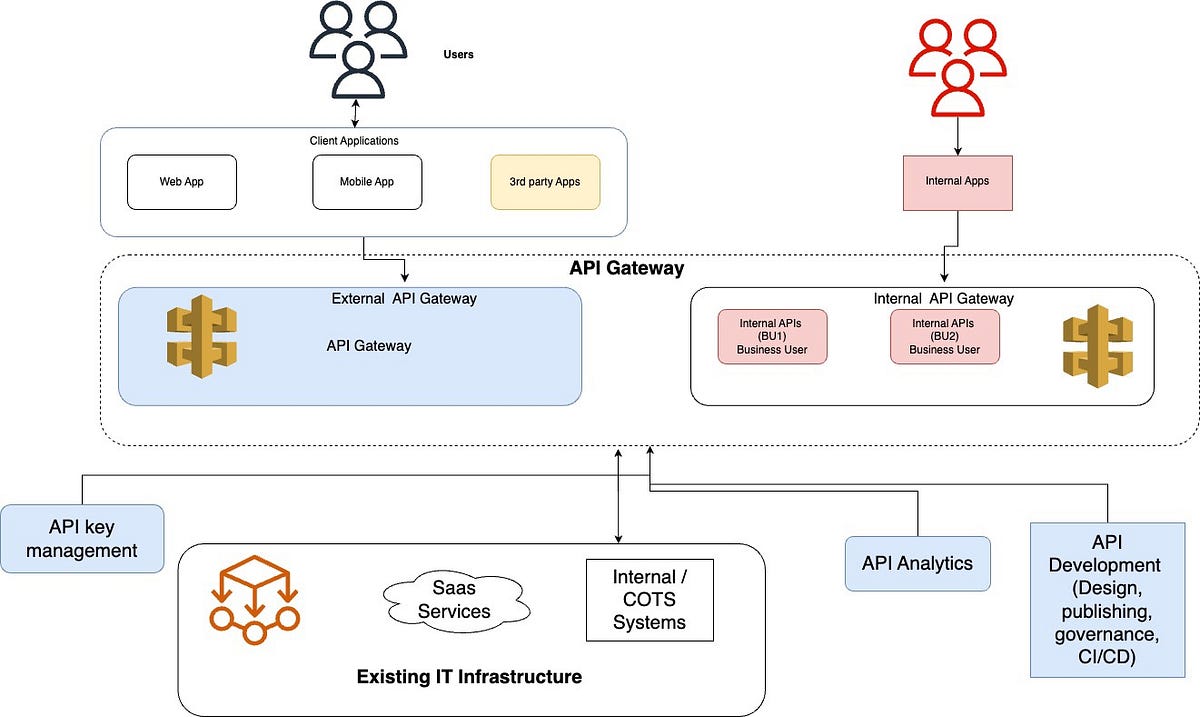
Next, prioritize maintaining a robust connection between your application and the APIs by establishing clear error-handling protocols. This ensures that users are not left in the dark should a request fail. To enhance clarity, consider implementing loading indicators to keep users informed about ongoing processes. Additionally, utilizing tools like API gateways can help monitor performance and security, ultimately safeguarding the user experience. By focusing on both the technical aspects and the end-user perspective, you can create a fluid interaction that feels effortless, encouraging users to explore your application further.
Common API Integration Pitfalls and How to Avoid Them
API integration is crucial for modern applications, but developers often encounter various pitfalls that can hinder the overall performance and functionality. One common issue is lack of proper documentation, which can lead to misunderstandings about how the API functions. Additionally, not considering the rate limits imposed by the API provider can cause disruptions in service. To avoid these pitfalls, ensure that comprehensive documentation is available and thoroughly review the API rate limits before implementation.
Another common pitfall in API integration is poor error handling and logging. Without robust error management, developers may struggle to diagnose issues, resulting in longer downtimes and a frustrating user experience. Implementing detailed logging mechanisms and defining clear error responses can significantly enhance the integration process. Remember to incorporate testing environments to simulate various scenarios, helping to identify potential failures before going live.