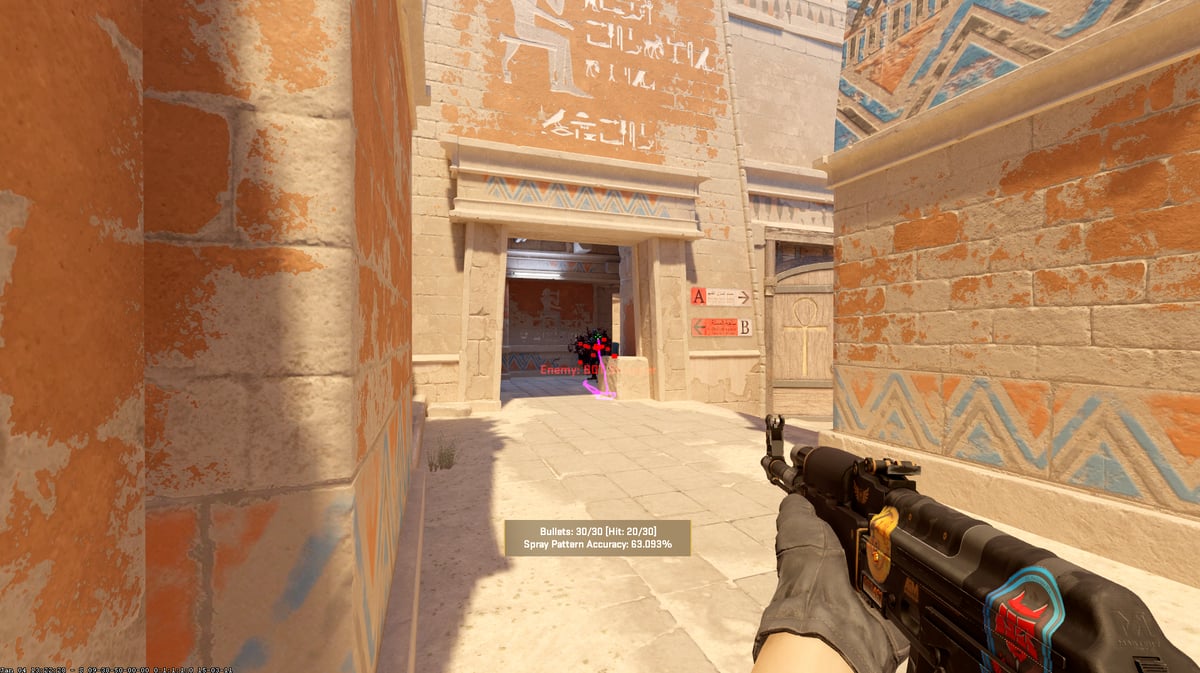
Tapping vs Spraying: Which Technique Will Enhance Your CS2 Gameplay?
When it comes to improving your CS2 gameplay, understanding the differences between tapping and spraying is crucial. Tapping refers to firing your weapon in short, controlled bursts, allowing for higher accuracy and precision. This technique is especially effective at longer ranges, where each shot counts. Players who master tapping can take down enemies quickly without losing composure under pressure. On the other hand, spraying involves holding down the trigger to unleash a stream of bullets, which can be beneficial in close-quarter situations where rapid fire is necessary. The key is to find the right balance between these two techniques depending on your specific gameplay scenarios.
To decide whether tapping or spraying will enhance your overall CS2 experience, consider the following factors:
- Distance: Tapping is best for long-range engagements, while spraying excels in tight spaces.
- Weapon Type: Certain weapons handle better with one technique over the other; for instance, rifles often favor tapping, whereas SMGs can benefit from spraying.
- Personal Preference: Ultimately, your comfort level with each technique will impact your effectiveness.
Experiment with both approaches in different scenarios to determine which technique enhances your gameplay style the most.
Counter-Strike is a popular tactical first-person shooter that emphasizes team-based gameplay and strategic planning. Players often adopt different roles within their teams, making communication and cooperation essential for success.
Mastering the Art of Tapping and Spraying in CS2: Tips and Techniques
Mastering the art of tapping and spraying in CS2 is essential for players looking to enhance their shooting accuracy and overall gameplay. Tapping refers to the technique of firing single shots with precision, allowing players to control their bullets and eliminate enemies effectively. To master tapping, focus on your crosshair placement and aim for headshots. On the other hand, spraying involves holding down the trigger to unleash a flurry of bullets. This technique is particularly useful in close-range encounters but requires practice to manage recoil. Players should spend time in practice modes to refine their skills and experiment with different weapons to understand their spray patterns.
To improve your tapping and spraying techniques, consider incorporating the following tips into your gameplay:
- Learn Recoil Patterns: Each weapon has a unique recoil pattern. Spend time learning these patterns to control your spray better.
- Crosshair Placement: Always keep your crosshair at head level for tapping, ensuring quicker reactions and more accurate shots.
- Utilize Sound Cues: Pay attention to sound cues and map awareness, as these can help you anticipate enemy movements and act accordingly.
- Practice Regularly: Consistent practice in deathmatch or aim training maps can significantly enhance your skills over time.
Tapping vs Spraying: How to Determine the Best Approach for Your Playstyle
When it comes to choosing between tapping and spraying, understanding your personal playstyle is crucial. Tapping generally refers to quick, short bursts of fire, which allows for increased accuracy and control, particularly at longer ranges. This technique is often favored by players who prioritize precision, especially when aiming for headshots. On the other hand, spraying involves holding down the trigger to deliver a continuous stream of bullets, making it ideal for close-quarters combat where quick reflexes and volume of fire can turn the tide of a battle. Consider whether your strengths lie in accuracy or aggressive engagement to make an informed decision.
To determine the best approach for your playstyle, it helps to assess various scenarios and your current skill set. Tapping may be more effective in situations where distance and aim matter, allowing you to conserve ammo while maximizing damage. Alternatively, spraying can be advantageous in chaotic battles, where enemies are in close proximity and the need for rapid fire outweighs the need for precision. To further refine your skills, practice each technique in different environments, like training grounds or custom matches, to see which method feels more comfortable and produces better results.