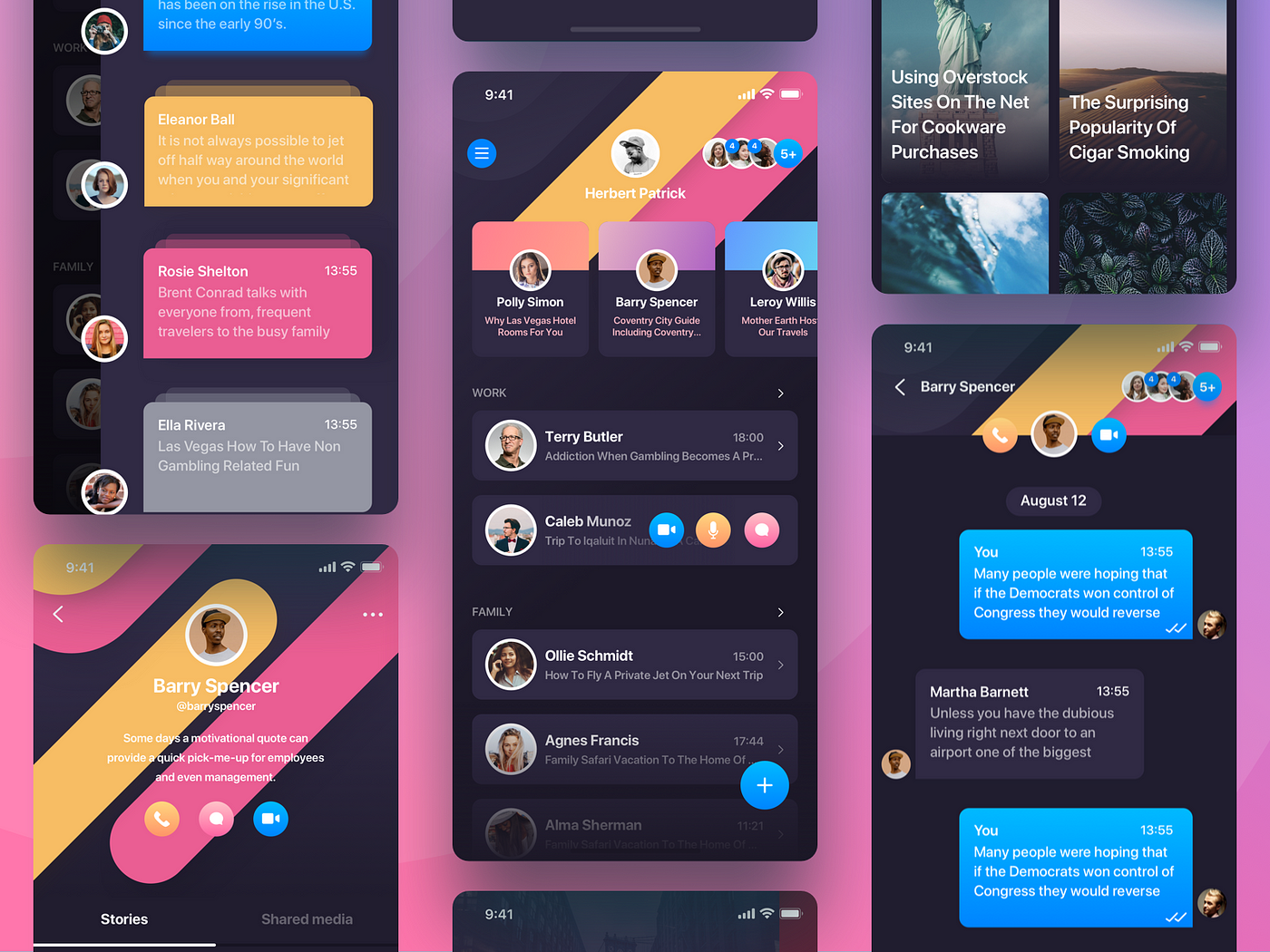
The Power of First Impressions: How UI/UX Drives User Engagement
The significance of first impressions in the digital space cannot be overstated. When users visit a website or application, their initial perception is often shaped by the interface's design and usability. A well-crafted UI/UX not only attracts users but also encourages them to engage further. According to research from Nielsen Norman Group, users form opinions about a website within 50 milliseconds. This highlights the crucial role that visual appeal and intuitive navigation play in capturing user interest. An effective design can lead to higher engagement rates and improved customer satisfaction.
Moreover, the elements of UI/UX extend beyond aesthetics; they encompass functionality and user behavior analytics. Tools like Hotjar allow designers to understand how users interact with their interfaces, providing critical insights for optimizing the user experience. Features like responsive design and fast load times are essential for retaining users, as studies show that a mere 1-second delay in loading time can reduce conversions by up to 7% (Think with Google). Hence, investing in quality UI/UX design not only enhances user satisfaction but also drives long-term engagement and loyalty.
UI/UX Beyond Aesthetics: Creating Seamless User Journeys
The realm of UI/UX design extends far beyond mere aesthetics; it encompasses the creation of seamless user journeys that drive engagement and satisfaction. At its core, effective design prioritizes the user's needs, ensuring that every interaction with a product or service feels intuitive and enjoyable. By leveraging usability heuristics, designers can identify pain points in the user experience and refine pathways to success. This holistic approach to design not only captivates users visually but also enhances usability, forming a robust foundation for any digital interface.
To create an impactful user journey, it’s essential to understand the importance of user research and testing. Incorporating feedback loops through methods such as user interviews and A/B testing ensures that the design evolves in alignment with user expectations. As outlined by Smashing Magazine, embracing an iterative design process fosters a culture of continuous improvement, ultimately empowering designers to craft experiences that resonate with users on a deeper level. By integrating both visual appeal and thoughtful user journeys, brands position themselves to foster loyalty and drive conversions.
Top 5 UI/UX Principles That Can Transform Your Business
In today's digital landscape, the importance of effective UI/UX principles cannot be overstated. They serve as the foundation for any successful website or application, directly influencing user satisfaction and business success. To help you on your journey to improve digital interactions, here are the Top 5 UI/UX Principles that can redefine your business:
- Consistency: Maintaining a consistent look and feel throughout your website or app enhances usability and strengthens brand identity. A study by Nielsen Norman Group highlights that users are more likely to appreciate your platform when design elements are uniform.
- User-Centric Design: Putting the user at the center of the design process ensures that your product meets their needs and expectations. By conducting user research and testing, businesses can gather valuable insights, as emphasized by Smashing Magazine.
- Responsive Design: With an increasing number of users accessing websites on mobile devices, a responsive design is essential. This adaptability improves user experience and retention rates, as discussed in an article by Forbes.
- Accessibility: Designing with accessibility in mind ensures that everyone, including those with disabilities, can interact with your product. The W3C Web Accessibility Initiative provides guidelines to help create an inclusive experience.
- Feedback Mechanisms: Implement feedback loops within your design to communicate status to users. As discussed by UX Design, timely feedback enhances user engagement and helps reduce frustration.