Top 10 DIY Car Maintenance Tips to Avoid Costly Breakdowns
Maintaining your vehicle doesn't have to break the bank. With these Top 10 DIY Car Maintenance Tips, you can keep your car running smoothly and avoid costly breakdowns. Regular inspections and simple fixes can save you significant money on repairs in the long run. To help you get started, here are some essential tasks you can easily do yourself:
- Check Your Oil: Regularly inspecting and changing your engine oil can extend the life of your car. Aim to check your oil level monthly and change it every 5,000 to 7,500 miles. (Source)
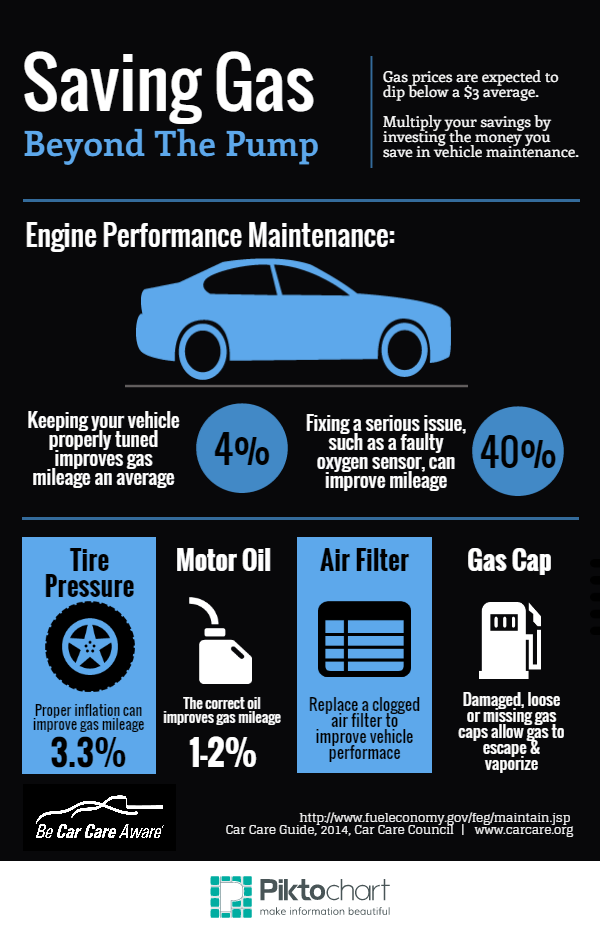
- Inspect Your Tires: Keep an eye on your tire pressure and tread depth. Properly inflated tires not only improve fuel efficiency but also enhance safety. Don't forget to rotate your tires every 5,000 to 7,500 miles. (Source)
In addition to these checks, understanding some basic repairs can save you time and money. Here are more tips to prevent your car from experiencing unexpected issues:
- Replace Air Filters: Dirty air filters can significantly decrease engine performance. Aim to replace your engine air filter every 12,000 to 15,000 miles. (Source)
- Maintain Your Battery: Check your battery regularly for corrosion and make sure it's holding a charge. Clean the terminals and consider replacing the battery every 3 to 5 years to avoid being stranded. (Source)
- Keep Fluid Levels Topped Off: Regularly check your brake, coolant, and power steering fluid levels to ensure your vehicle is running efficiently. Low fluid levels can lead to serious issues down the line. (Source)
Essential Car Maintenance Checks: Are You Overlooking These Key Areas?
Regular car maintenance is crucial for ensuring the safety, efficiency, and longevity of your vehicle. Essential car maintenance checks often get overlooked, leading to costly repairs down the line. Are you performing these vital inspections on a regular basis? Start with the basics: check your engine oil, brake fluid, and coolant levels. According to the National Highway Traffic Safety Administration, neglecting these fluids can lead to serious engine problems or even accidents.
Don’t forget about your tires! Ensure they are properly inflated and have sufficient tread. Under-inflated tires can affect fuel efficiency and handling, increasing your risk on the road. To determine the right pressure, refer to your vehicle’s manual or the sticker located in the driver’s door frame. Additionally, consider performing a visual inspection of the brake system and wiper blades, as stated by Consumer Reports. By addressing these key areas regularly, you can enhance your driving experience and avoid unexpected breakdowns.
How Often Should You Really Service Your Car? A Quick Guide
Knowing how often to service your car is essential for maintaining its performance and longevity. Generally, it's recommended that you have your car serviced at least once a year or every 10,000 to 15,000 miles, whichever comes first. However, various factors can affect this schedule, including the age of your vehicle, driving conditions, and manufacturer recommendations. For a more tailored approach, you can refer to your owner's manual or trusted resources like Edmunds for insightful guidelines tailored to your specific vehicle model.
Additionally, it's crucial to be mindful of symptoms that indicate your car requires more frequent servicing. Pay attention to unusual noises, changes in performance, or warning lights on your dashboard. If you primarily drive in challenging conditions, such as heavy traffic or extreme weather, you may need to service your vehicle more often. To help you keep track, consider setting a calendar reminder or using automotive apps that alert you when it's time for maintenance based on your habits. For expert advice, check out AutoZone's maintenance schedule to ensure your car remains in optimal condition.