Understanding the Technology Behind Fast Charging Cables
Fast charging cables are designed to deliver a higher amount of power to devices in a shorter period of time compared to standard charging cables. This is primarily achieved through two main technologies: Power Delivery and Quick Charge. These protocols adjust the voltage and current levels dynamically based on the device's requirements, ensuring that the battery receives optimal charging without overheating. For example, a typical USB-C Power Delivery charger can provide up to 100 watts of power, significantly speeding up the charging process for compatible devices.
Moreover, the construction of fast charging cables plays a crucial role in their efficiency. High-quality cables often feature thicker wires and advanced materials that minimize resistance and heat buildup. This allows for faster data transfer rates as well, which is essential for devices that support Fast Data Transfer alongside fast charging. As consumers increasingly rely on their devices for various functions throughout the day, understanding the technology behind these cables can help make informed choices, ensuring both speed and safety in charging practices.
If you're looking for reliable connectivity without compromising on length, consider the Top 10 Long USB C Cables. These cables offer excellent durability and performance, ensuring fast charging and data transfer over extended distances. Whether for home, office, or travel, choosing the right cable can enhance your device's usability significantly.
Top 5 Myths About Fast Charging: Debunked
Fast charging has become a popular feature in modern devices, but it's often surrounded by misconceptions. One of the most common myths is that fast charging will damage your battery. In reality, most contemporary devices are engineered with advanced battery management systems that regulate voltage and current, ensuring that the battery remains safe even during rapid charging. Additionally, many smartphones will automatically switch to slower charging speeds when they detect the battery is near full capacity, effectively protecting battery health.
Another myth suggests that using third-party chargers for fast charging can lead to battery issues. While it’s crucial to choose reputable brands, many third-party fast chargers are crafted with the same safety and efficiency standards as original chargers. However, it is essential to verify that any third-party charger supports the device’s specific fast-charging technology, like Qualcomm Quick Charge or USB Power Delivery, to ensure optimal performance without compromising safety.
How to Choose the Right Fast Charging Cable for Your Devices
Choosing the right fast charging cable for your devices is crucial to ensure optimal performance and safety. First, consider the compatibility of the cable with your device. Most smartphones and gadgets support specific charging protocols such as USB Power Delivery or Qualcomm Quick Charge. Make sure to check your device’s requirements and select a cable that supports these protocols. Additionally, look for cables with high gauge ratings, as they allow for fast data transfer and charging speeds. Below are some key features to look for:
- Length: Ensure the cable length suits your needs, whether for home or travel.
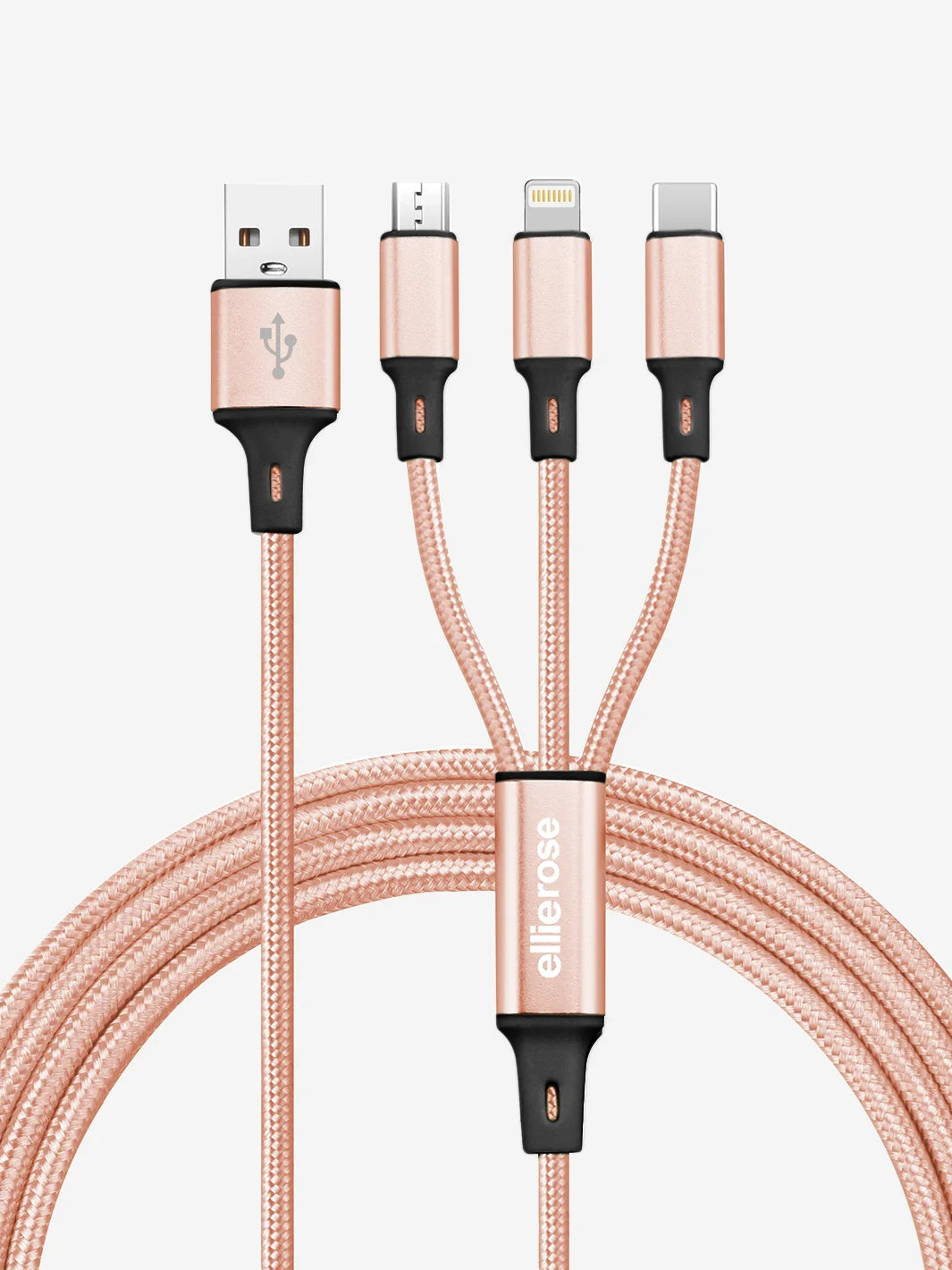
- Connector Type: Confirm the cables have the right connectors for your devices—USB-C, micro-USB, or Lightning.
- Durability: Opt for cables with reinforced ends and braided designs for longevity.
Another important aspect to consider when selecting a fast charging cable is the ampere rating. Generally, the higher the amp rating, the faster your device will charge. For most devices, a cable rated for at least 2.4A is ideal for fast charging. Be wary of cheaper cables that may boast fast charging capabilities but lack adequate safety certifications. It's wise to choose cables from reputable brands to avoid potential risks such as overheating or short-circuiting. In summary, a well-chosen fast charging cable not only enhances charging efficiency but also safeguards your devices.